Our product portfolio includes high-efficiency induction cooktops and infrared cooktops seamlessly integrated into modern kitchen systems, alongside intelligent PCBA control modules and semiconductor components that power appliances for global top-tier brands. These solutions are engineered to meet the demands of both household and commercial cooking environments, delivering clean, safe, and efficient performance.
Home » News » Cooktop Technology Evolution and Market Selection: From Traditional to Smart Cooking
Cooktop Technology Evolution and Market Selection: From Traditional to Smart Cooking
Views: 6 Author: Site Editor Publish Time: 2026-01-16 Origin: Site
In the kitchen, cooktops serve as the core cooking equipment, and their technological development has always revolved around three key needs: efficiency, safety, and environmental friendliness. From traditional open flames to electromagnetic induction, from single‑function to smart‑integrated designs, different cooktop types vary significantly in technical principles, user experience, and application scenarios, offering diverse choices for both household and commercial users.
Analysis of Mainstream Cooktop Types and Core Features
1. Gas Cooktops: The Classic and Durable Choice
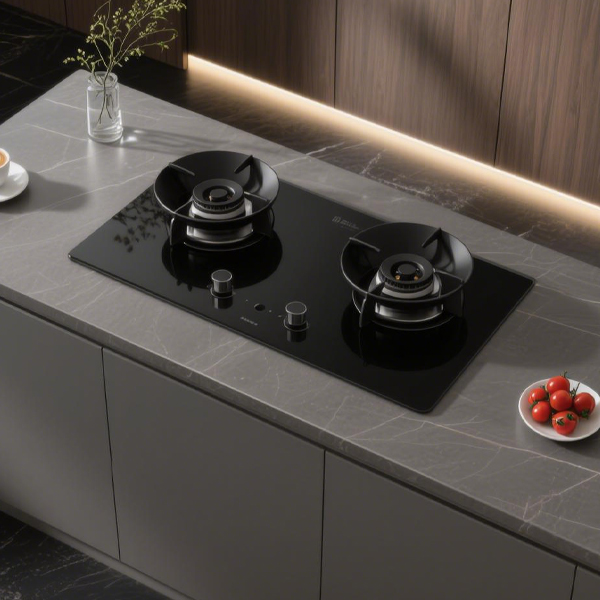
Gas cooktops generate heat through the combustion of natural gas or liquefied gas, making them the most widely used cooktop type. Their key advantages include fast heating response, precise firepower adjustment via knobs, and suitability for high‑heat Chinese cooking methods such as stir‑frying and wok tossing. They are also compatible with most cookware, requiring no additional adaptation costs. However, the open‑flame nature leads to higher heat loss and lower energy efficiency. Safety risks such as flame‑out gas leakage and high‑temperature burns also exist, necessitating flame‑failure protection and gas‑leak alarms.
2. Induction Cooktops: The Efficient and Safe New Favorite
Induction cooktops use electromagnetic induction to directly heat ferromagnetic cookware, achieving “cookware‑self‑heating.” Compared with traditional cooktops, they offer significantly higher energy efficiency (over 85%) and faster heating speeds—boiling 2 liters of water in half the time of a gas cooktop. Their most prominent advantage is safety: the surface itself does not get hot, reducing burn risks, and there is no open flame or smoke, aligning with modern clean‑kitchen needs. Limitations include the requirement for compatible cookware and slight noise during operation, with initial costs higher than gas cooktops.
3. Infrared Cooktops: An Eco‑Friendly Upgrade
Infrared cooktops are an enhanced version of gas cooktops, using porous ceramic or metal infrared radiation plates for flameless combustion. The high‑temperature plates emit far‑infrared rays that directly heat cookware. They combine the cookware compatibility of gas cooktops with the energy efficiency of induction, offering 15%–20% higher thermal efficiency than traditional gas models. Combustion is more complete, reducing carbon monoxide emissions and preventing blackened pot bottoms. However, heating speed is slower than induction, and the radiation plates require regular cleaning. They still rely on gas supply, making them suitable for users seeking an eco‑friendly upgrade from traditional gas cooking.
4. Ceramic Cooktops: A Balance of Aesthetics and Practicality
Ceramic cooktops use electric heating elements under a smooth glass‑ceramic surface. Their main advantage is a sleek, easy‑to‑clean design that fits modern kitchens. Heating is gentle and uniform, ideal for simmering and baking, and they are compatible with most heat‑resistant cookware. Limitations include slower heating and cooling speeds, delayed temperature adjustment, and potential risks of scratching or cracking the glass surface.
Key Industry Trends
1. Accelerated Intelligence and Integration
Modern cooktops are increasingly incorporating smart control technologies such as remote operation, preset cooking modes, and automatic temperature adjustment. High‑end models may include AI cooking assistants that recognize ingredients via cameras and automatically set heating parameters. Dual‑zone linkage and multi‑function modes cater to simultaneous cooking needs, improving overall efficiency.
2. Environmental Protection and Energy Efficiency Upgrades
With stricter environmental policies, low emissions and high energy efficiency have become central to cooktop development. Gas cooktops are being optimized to reduce pollutants, while induction and infrared models benefit from policy support due to their higher efficiency. Hydrogen‑powered cooktops, which emit only water vapor, are also being tested, potentially solving long‑standing environmental approval challenges.
3. Scenario‑Based Functional Specialization
Different needs between household and commercial users are driving product specialization. Household models are becoming more compact and multi‑functional, with hybrid gas‑induction options available. Commercial models emphasize high power (≥8kW), strong exhaust systems, and compliance with catering industry standards such as China’s “GB 2025 Catering Oil Fume Standard.”
Guangdong Golenda Intelligent Manufacturing Technology Co Ltd Add : 601-2 4th building No. 628 Xingtan Shuixiang Avenue Gaozan Xingtan Town Shunde District Foshan City Guangdong province China



 注: 建议图片大小150px*50px
